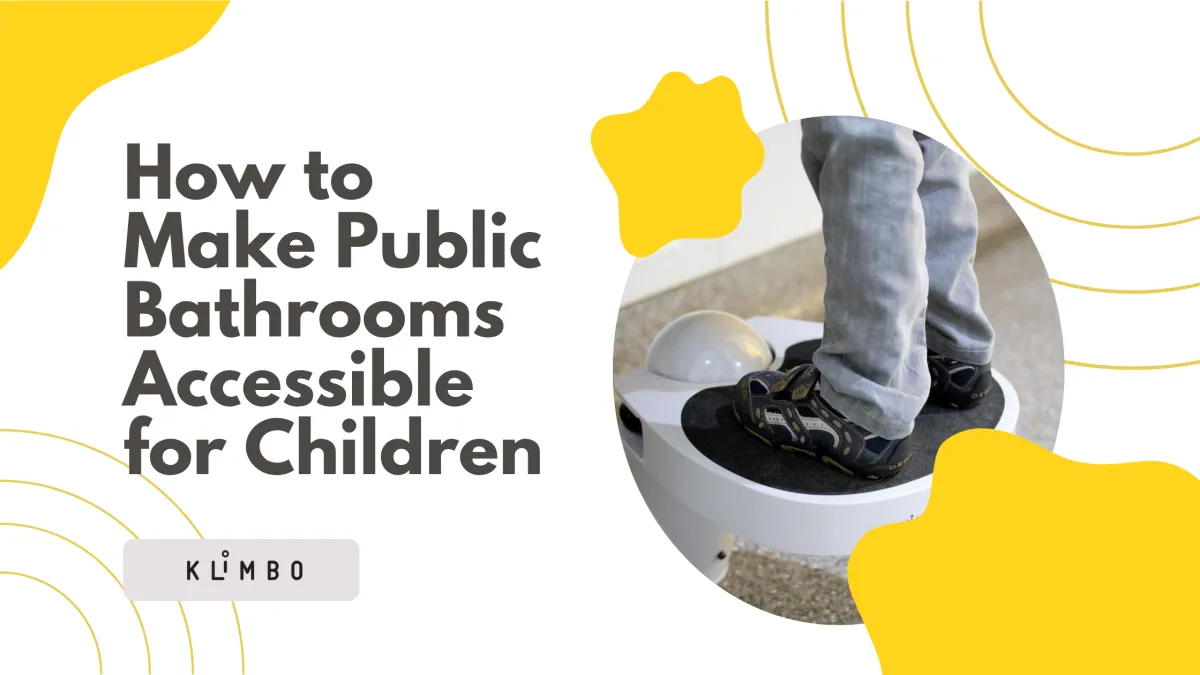
How to Make Public Bathrooms More Accessible for Children
How to Make Public Bathrooms More Accessible for Children
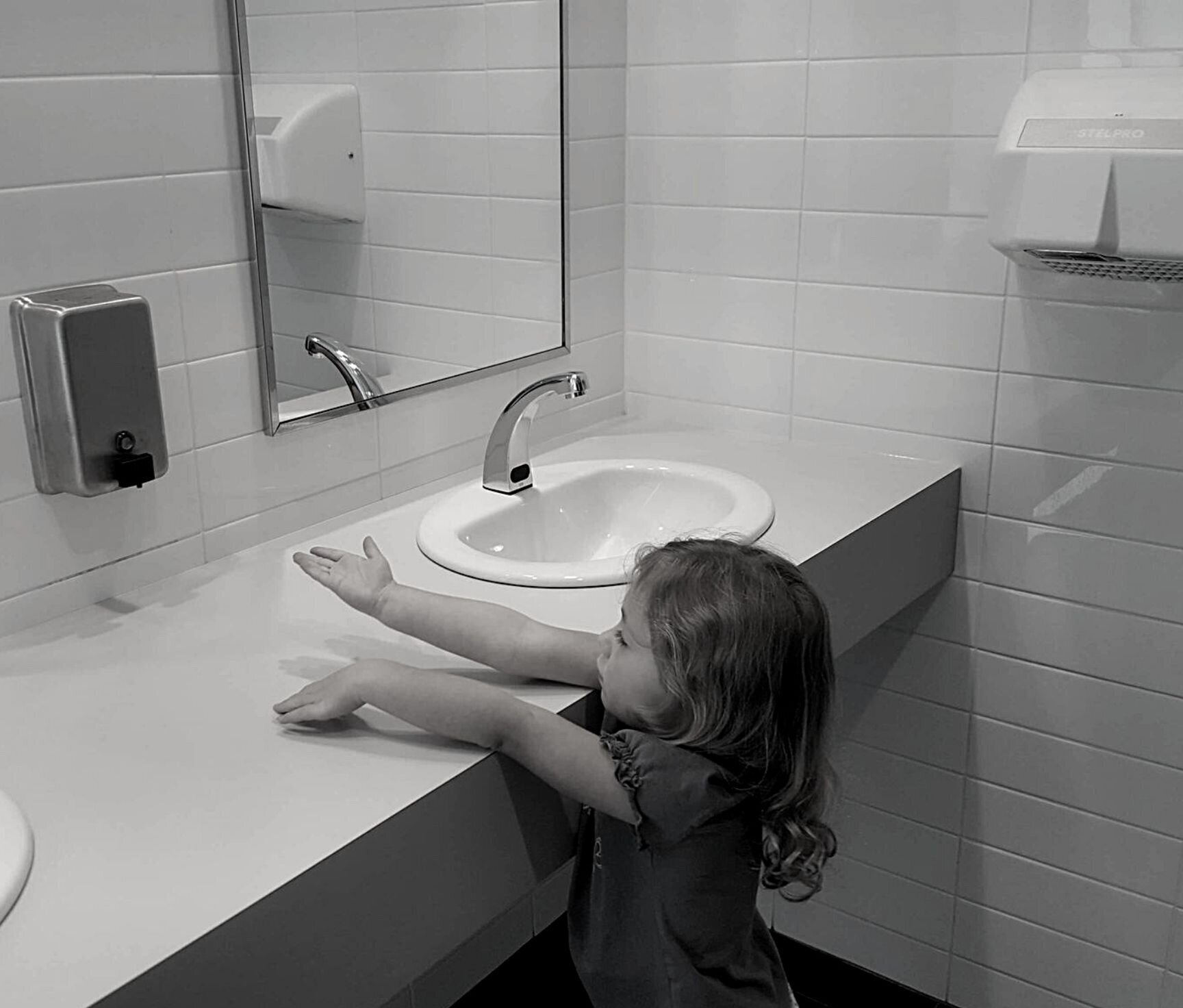
Public bathrooms are usually designed for adults. In airports, museums, restaurants, shopping centres and other public buildings, sinks, soap dispensers, mirrors and toilets are often installed too high for children.
As a result, children may struggle to wash their hands, reach the sink or use the restroom independently. Parents often need to lift children or help them climb onto unsafe objects.
Improving child accessibility public bathrooms is not only more convenient for families. It also improves hygiene, safety and the overall experience in the building.
Many facilities assume that making a restroom more accessible for children requires a complete renovation. In reality, there are several practical solutions that can make a big difference without rebuilding the entire bathroom.
Why Child Accessibility in Public Bathrooms Matters
Children use public bathrooms every day in:
Airports
Restaurants
Shopping centres
Museums
Libraries
Community centres
Sports arenas
Family restrooms
When bathroom fixtures are too high, children often:
Skip washing their hands
Ask a parent for help
Climb onto the sink or toilet
Use unsafe portable step stools
Spill water or soap trying to reach the sink
A restroom that is easier for children to use encourages better hygiene and creates a better experience for families.
Parents also notice when a public bathroom is designed with children in mind. Family-friendly restrooms are more likely to leave a positive impression and encourage repeat visits.
Lower Sinks and Counters Improve Accessibility
One of the most obvious ways to improve child accessibility public bathrooms is to install a lower sink or a lower section of the counter.
A lower sink allows children to:
Reach the faucet more easily
Wash their hands independently
Avoid standing on unsafe objects
Lower counters can also improve access to:
Soap dispensers
Hand dryers
Paper towel dispensers
Mirrors
However, lowering a sink or counter is usually expensive. Is there alternatives?
In most public bathrooms, the sink, plumbing, countertop and wall finishes are already installed. Lowering the counter often requires:
Removing the existing counter
Moving plumbing
Replacing cabinets or wall finishes
Closing the restroom during construction
For existing public bathrooms that already function well, a complete retrofit can be costly.
A commercial retractable step stool for public bathrooms is often a more practical solution because it gives children access to the existing sink without changing the entire restroom.
Retractable Step Stools Are Often the Best Retrofit Option
For facilities that want to improve child accessibility without major renovations, retractable step stools are usually the best option.
A commercial retractable step stool for public bathrooms is installed under the existing sink or counter. It pulls out when needed and retracts automatically after use.
This solution improves access to:
Existing sinks
Existing soap dispensers
Existing mirrors
Existing hand dryers
Unlike a portable stool, a retractable step stool stays attached to the building and does not create clutter or trip hazards.
For retrofit projects, this is often the most cost-effective option because it:
Uses the existing counter and plumbing
Requires only minor modifications
Is less expensive than lowering the entire counter
Keeps the restroom open for a shorter time
For buildings that already have functional restrooms, installing a built-in step stool for public bathrooms is often the easiest way to improve accessibility for children.
Lower Urinals Can Make Public Bathrooms More Child-Friendly
In men’s restrooms and family restrooms, urinals are often installed too high for young children.
A lower urinal allows children to use the restroom more independently and more comfortably.
Lower urinals are especially useful in:
Airports
Family restrooms
Museums
Sports facilities
Restaurants
When possible, adding one lower urinal is usually enough to improve accessibility for children without redesigning the entire restroom.
For existing buildings, installing a lower urinal may still be less expensive than rebuilding multiple fixtures.
Lower Soap Dispensers and Hand Dryers Are Often Forgotten
Many public bathrooms improve access to the sink but forget about the items around it.
Even if a child can reach the sink, they may still be unable to reach:
Soap dispensers
Hand dryers
Paper towel dispensers
Mirrors
To improve child accessibility public bathrooms, these accessories should be installed lower whenever possible.
Recommended improvements include:
Lower soap dispensers
Lower paper towel dispensers
Hand dryers placed within reach of children
Mirrors installed lower or angled downward
These changes are usually simple and inexpensive compared with replacing an entire counter.
Lower Mirrors Help Children Wash Their Hands Properly
Mirrors are often overlooked in public restroom design.
When children cannot see themselves in the mirror, they may have more difficulty washing their hands properly or checking if they are clean.
A lower mirror or a tilted mirror helps children:
See their face and hands
Feel more independent
Use the restroom more comfortably
This small change can make the restroom feel more welcoming for families.
Family Restrooms Should Include Child-Friendly Features
Family restrooms are one of the best places to improve accessibility for children.
A child-friendly family restroom may include:
A retractable step stool
A lower sink or lower section of the counter
A lower urinal
Lower soap dispensers
A lower mirror
Easy-to-reach hand dryers
A baby changing station
Enough space for a stroller
These features make the restroom easier to use for both parents and children.
Which Accessibility Improvements Are Most Cost-Effective?
For a new building, it may be possible to include lower counters, lower sinks and lower accessories during construction but is a lot more expensive.
For an existing restroom, however, some solutions are much more expensive than others.
For most retrofit projects, a commercial retractable step stool for public bathrooms provides the best balance between cost and accessibility.
Why Existing Public Bathrooms Are Difficult for Children to Use
Most public bathrooms are designed around adult dimensions.
Typical restroom layouts assume that users can:
Reach a sink placed at standard counter height
Access soap dispensers mounted high on the wall
Use hand dryers installed above a child's reach
See themselves in a standard mirror
Use toilets or urinals designed for adults
For young children, this often creates frustration.
Parents frequently need to:
Lift children to the sink
Hold them while they wash their hands
Search for a stool
Help them reach soap or paper towels
In busy places such as airports, restaurants and shopping centres, this can slow down traffic and make the restroom feel less convenient.
Many children also try to solve the problem themselves by climbing on the sink edge, standing on the toilet or using unstable objects. This creates a greater risk of slipping or falling.
A more accessible restroom reduces these problems and makes the space easier for everyone to use.
The Best Child-Friendly Bathroom Layout
The most effective child-friendly restroom design usually combines several accessibility improvements instead of relying on only one.
An ideal layout may include:
One lower sink or a retractable step stool below the sink
One lower urinal in men's and family restrooms
Soap dispensers and hand dryers mounted lower
A lower mirror or an angled mirror
Non-slip flooring around the sink area
Enough open space for parents and strollers
For new construction, it may be possible to design an entire section of the restroom around children.
For existing public bathrooms, however, the most practical approach is often to keep the existing sink and counter and add a commercial retractable step stool for public bathrooms.
This approach is often preferred because:
It avoids major plumbing work
It costs less than replacing the counter
It can be installed quickly
It provides immediate access to the existing sink and accessories
Other Child-Friendly Features to Consider
Additional ways to improve child accessibility in public bathrooms include:
Smaller toilet seats in family restrooms
Easier-to-use faucet handles
Motion-activated faucets and soap dispensers
Rounded counter edges
Non-slip flooring
Clear family restroom signage
Doors that are easier for children to open
These details may seem small, but together they make the restroom easier and safer for children.
Conclusion
Improving child accessibility public bathrooms does not always require a complete renovation.
Lower urinals, lower soap dispensers, lower mirrors and lower hand dryers can make a restroom easier for children to use.
However, for existing public bathrooms, lowering the entire sink or counter is often expensive and difficult.
For most retrofit projects, a commercial retractable step stool for public bathrooms is usually the most practical and cost-effective solution because it works with the existing restroom layout.
FAQ
How can public bathrooms be made more accessible for children?
Public bathrooms can be made more accessible by lower urinals, lower soap dispensers, lower mirrors and retractable step stools.
What is the easiest way to improve child accessibility in an existing restroom?
For most existing restrooms, a commercial retractable step stool is the easiest and most cost-effective solution. For future project, retractable steps specified in plans are the best solution.
Are lower counters better than retractable step stools?
Lower counters can improve accessibility, but they are usually much more expensive because they require plumbing and construction changes and it is not a universal accessibility option because it's not usable for adults and people in wheelchair.
Why are lower urinals important?
Lower urinals allow children to use the restroom more independently and comfortably.
What is the best retrofit solution for child accessibility public bathrooms?
For existing public bathrooms, retractable step stools are usually the best retrofit option because they improve access without requiring a full renovation.
